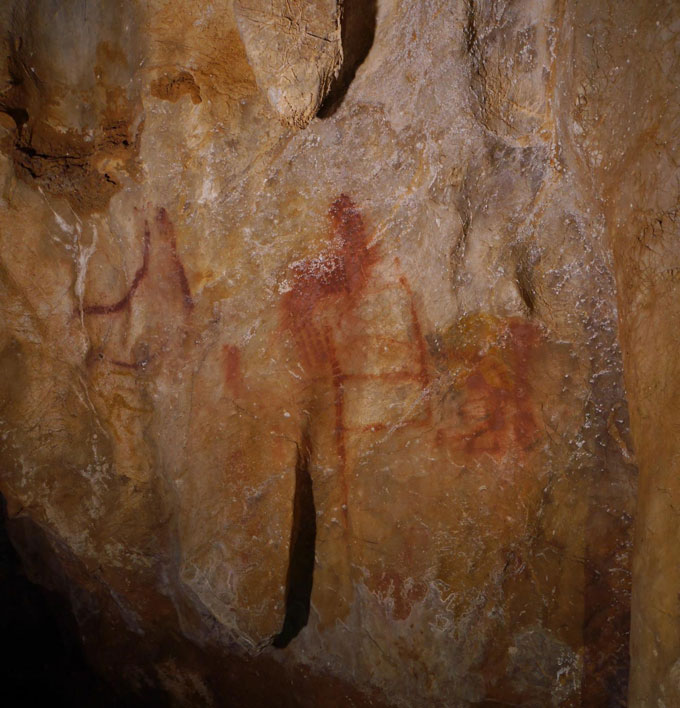
An article posted on Arcaheology.org talked about the ongoing debate over the age and authorships of ancient cave paintings. The Spainish cave paintings are believed to depict a dating technique called U-Th. If this is the correct depiction then researchers would know the minimum age of the cave painting. They also have collected mineral deposits containing trace amounts of uranium, which decays at a uniform steady rate.
Researchers have collected these materials and have set the minimum date of more than 64,000 years ago. Modern homosapiens have entered that region of Spain until about 40,000, then this concluded these paintings were produced by Neanderthals. Concerns have been made however regarding their scholarly work. Questions over the cognitive ability of the Neanderthals to have produced the artwork. It is also a concern that running water of the cave water could have reduced the uranium levels and mineral deposits. This would indicate that the uranium had been decaying longer than it actually would have been. Some speculate that the Spainish cave art could be much more recent and much more into this timeline of modern humans.
Archaeologists also play a role in preservation of artifacts. Since artworks can be made out of many different mediums archaeologists have to take multiple conservation methods. Lighting on certain objects can play a role in preserving items and should be taken into consideration. Too much light can damage photographs, printed work, textiles, and many more items. Items like this should never be placed in direct sunlight or fluorescent lighting or an extended period of time. Temperature can also play a role in the integrity of an object. Too high or too low of temperature and constant/rapid changes in temperature can cause damage to rubber, woods, and metals. Humidity also needs t o be controlled to help deter pests and mold growth on paper and rust on metals. One of the greatest threats to an artifact is human interactions. Archaeologists need to take great care when handling objects and take precautionary measures. Gloves should be worn to protect for oils on our skin, sweat, and other residue.
Since many archaeological sites and artworks can be outdoors like architecture archaeologists also take preventive measures there as well. In 1966 the National Historic Preservation Act (NHPA) was enacted to help with archaeological conversation. This act allowed archaeologists to request protection from their state’s State Historic Preservation Office. Section 106 plays a major role in most projects. This section’s goal is to ensure agencies consult with the respective parties and evaluate the archaeological site. After doing so the site may receive some federal funding for the proposed project. It is important to note that section 106 does not mandate conversation. There are times when a proposed project cannot undergo in favor of preservation. A federal agency will evaluate and make an informed decision whether to deny, approve, and change the project. There are still some times when the only way to complete a project is with the destruction on the property.
If you have any comments or suggestions for future blog posts let me know!
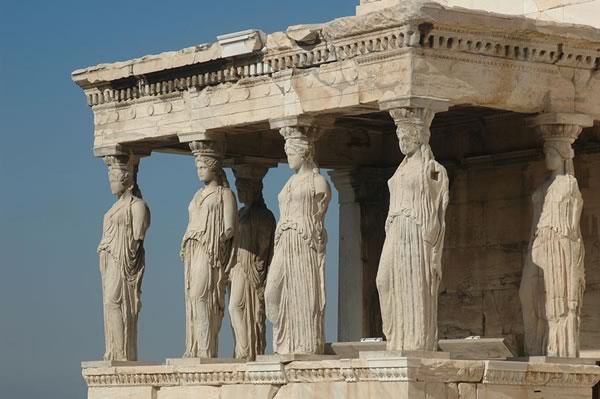
In an article posted by Science Daily on October 15, 2019 they talked about a new unknown yellow used in Ancient Egypt artifacts. It has been a known fact that ancient artifacts were once far more colorful than they appear today. The now white marble and other artworks were once painted with bright vivid colors. Archaeologists studying these artifacts are interested in learning more about the use of pigments, binders, and the techniques. Cecilie Brons, a classical archaeologist states that “it can also tell us about how different cultures in the Mediterrian and Near East exchanged materials and knowledge and thus connected”.
The pigments found on samples of palace fragments they discovered no less than 2 pigments that unknown. At this time they are still unsure if these pigments were commonly available at the time or rare. These yellows have so far have only been found in paintings in the Middle Ages or younger. Right now they are still going forth with chemical testing and further research to learn how those pigments were created and used.
Now, you are probably questioning how archaeologists analyze artwork to make meaningful assumptions about the past. First, let’s talk about the many functions an artwork can hold and how we can interpret their meanings. There are many different functions of art and reasons behind an artwork. It is said that there are five purposes/functions of an artwork: ceremonial, artistic expression, narrative, functional, and persuasive.
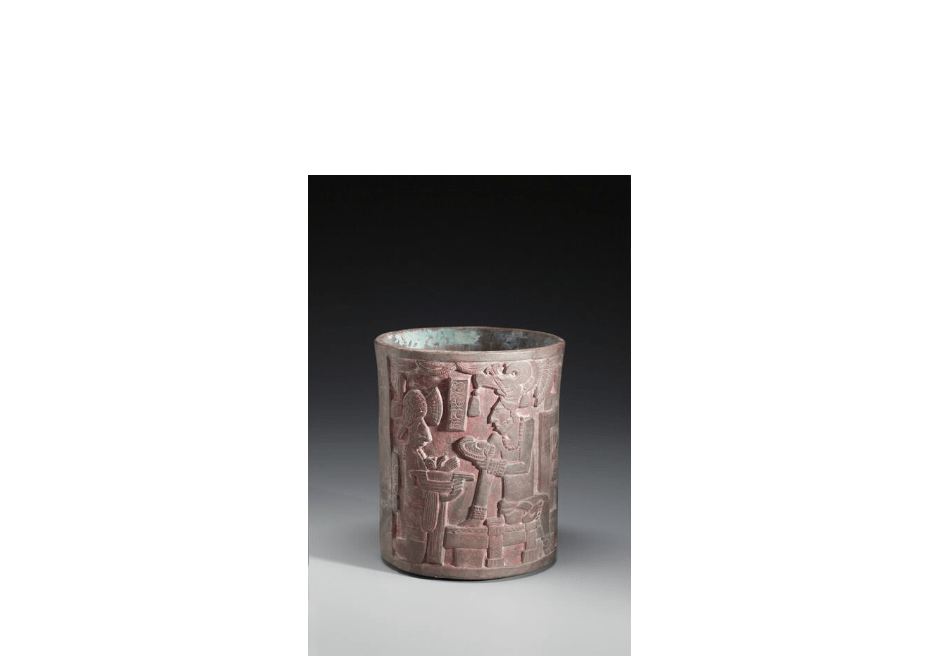
Ceremonial art is made for a person or group of people to celebrate/worship something related to their culture, society, or religion. Archaeologists can examine these artworks and learn a lot about the culture that uses them. For example, a scene depicted on a vessel in the Kimbell Art Museum displaces a ceremonial setting in a palace interior. The scene shows the lord wearing an elaborate bird headdress practicing the ritual of bloodletting. This Ancient American artwork dates back to the late classical period was carved out of ceramics. This artwork gives us a glimpse into daily life and ceremonial practices.
Artistic expression is the conscious use of the imagination in the production of an artwork. One may think it would be difficult to get useful meaning out of these artworks, but they can still be analyzed. Archaeologists have developed special software, chemical tests, and much more to determine what went in to making these artifacts, For example, an archaeologist can examine the pigments used to determine the trade between people during that time. Certain mediums and materials only found in one area can tell us which ancient civilizations had contact with another. These connections can help us establish timelines, use of goods, and value of certain materials.
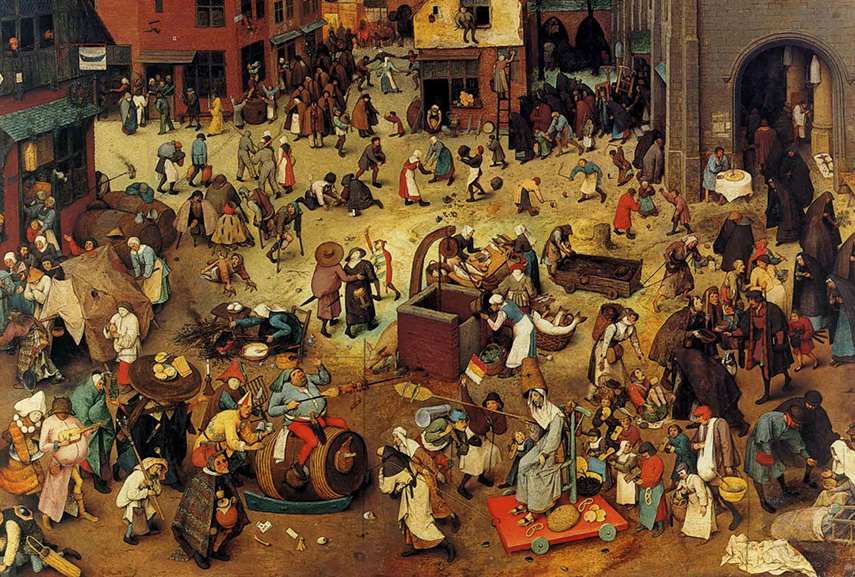
Narrative art is the artist telling a story through their artwork rather than reading words. Before language was written we actively engage in the past through these images. The historical narratives were often depicted after written language as well. Especially of historical battles, wars, or tribulations a society went through. It is said that aristocrats employed painters rather than writers to portray stories for them. People at the time were illiterate at much higher rates than now. Therefore, it was common practice to have an artist work for the king or ruler to help spread information to common people. This also benefited the ruling class by potentially hiding unfavorable aspects of the king. These images were easy to post and quickly spread information. Most can view a well illustrated image understand what the artist is trying to communicate. Not only do these narrative images depict battles and wars, but also everyday life. During the Reformist era telling the tale of ordinary everyday people became increasingly popular. This is a huge help in learning how life was lived during this time, and the practice is still popular today.
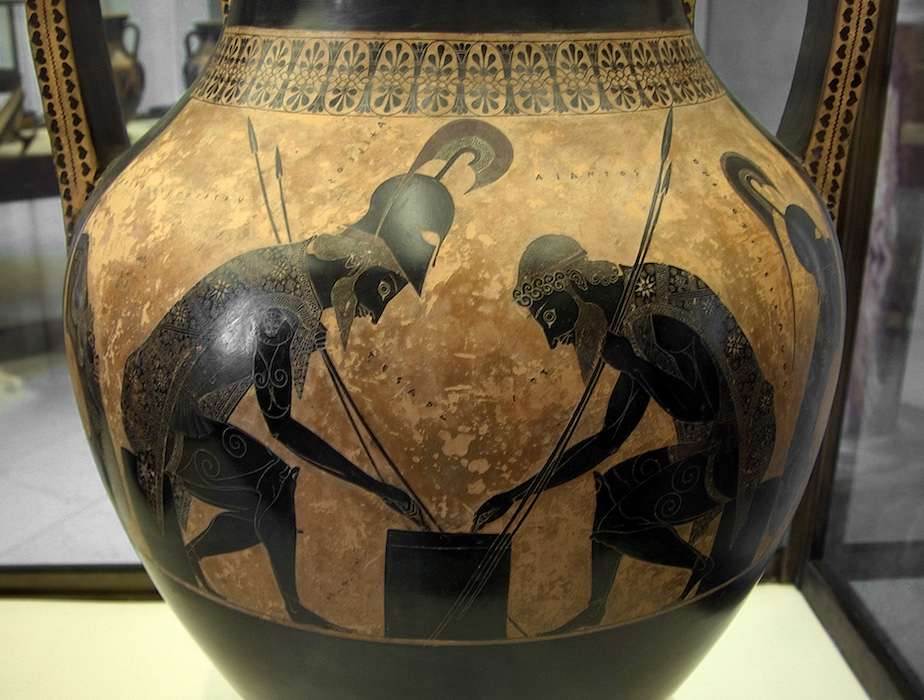
Functional art “seeks to beautify objects that are useful in everyday life”. This includes items such as: clothing, pottery, baskets, furniture, blankets, and much more. This function of artwork is incredibly inclusives and covers everything in an utilitarian lifestyle. This genre of art combines items you may not expect and them elements and principles of art. Archaeologists can analyze the designs and iconography of these objects. For example, Greek pottery has been shown to use certain color pallets to reflect a time period. In addition to having a timeline for certain pottery pieces they also depicted daily life events, heroic deeds, tales, and athletic competitions.
Art can also be used in a persuasive manner. Artists can use an image to their advantage to commute a message to their audience. Art can be used in propaganda to influence behaviors and attitudes. Archaeologists can see how advertisements or propaganda were used to try and persuade viewers. This can tell us a lot about the cultures/societies everyday life and important events. Archaeologists use these functions of art to analyze how a culture may have used these objects. The purpose of these artifacts can be used to decipher what daily life and everyday activities may have been.
If you have any questions, comments, or suggestions for future blog posts let me know!
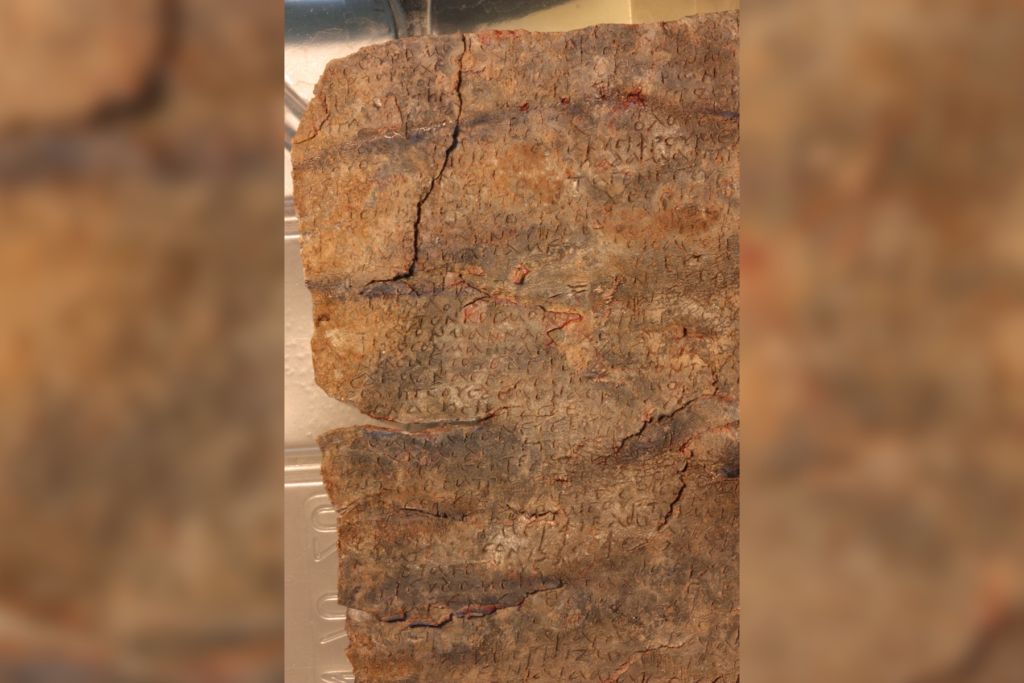
On October 7, 2019 Live Science posted a story about a 1,500-year-old Greek engraved tablet being finally deciphered. This decipher revealed a curse set upon a dancer named Manna. This tablet calls upon numerous demons to harm the dancer. It is thought the author was a competitor to Manna and was found in an ancient theater in Israel.
It is thought that this person named Manna was a popular dancer and that this competition had a large prize. The person who engraved this tablet seemed to really want Manna to lose saying “tie the feet together, hinder the dance on Manna”. Calling for the assistance of several Gods as well including Thoth, an ancient god of magic and wisdom.
This “cursed tablet” was discovered in between 1949 – 18954 by an Italian archaeological team. It was dated back to the Byzantine Empire near the 6th century. The tablet contains 110 lines which is lengthy compared to other tablet during that time. It was finally deciphered by Reflectance Transformation Imaging (RTI). This is a computer program that compiles hundreds of photos from different lighting angles and used these images to create an enhanced image. This tablet now sits in the Archaeological Museum of Milan.
I think a great way to start linking art history and archaeology together is to answer the question: What makes art, art? In short, art is subjective and so is its definition. Merriam Webster defines art as: the conscious use of skill and creative imagination especially in the production of aesthetic objects. Dictionary.com defines art as: the quality, production, express, or realm, according to aesthetic principles, of what is beautiful, appealing, or of more than ordinary significance. Art may also be defined by the arrangement of elements in aesthetic manner to convey an idea, emotion, or world view. For this blog’s purpose we will be using the last definition. I feel as if it is the most broad definition and most encapsulating.
Art is often thought of as paintings, photographs, drawings, etc. however art can take form in many different ways. This can include: clothing, coins, cooking ware, architecture, and much much more. But as stated before, art is determined by the viewer and the definition that they hold. This also goes for the value of an art work, and how professional or “good” an artwork is.
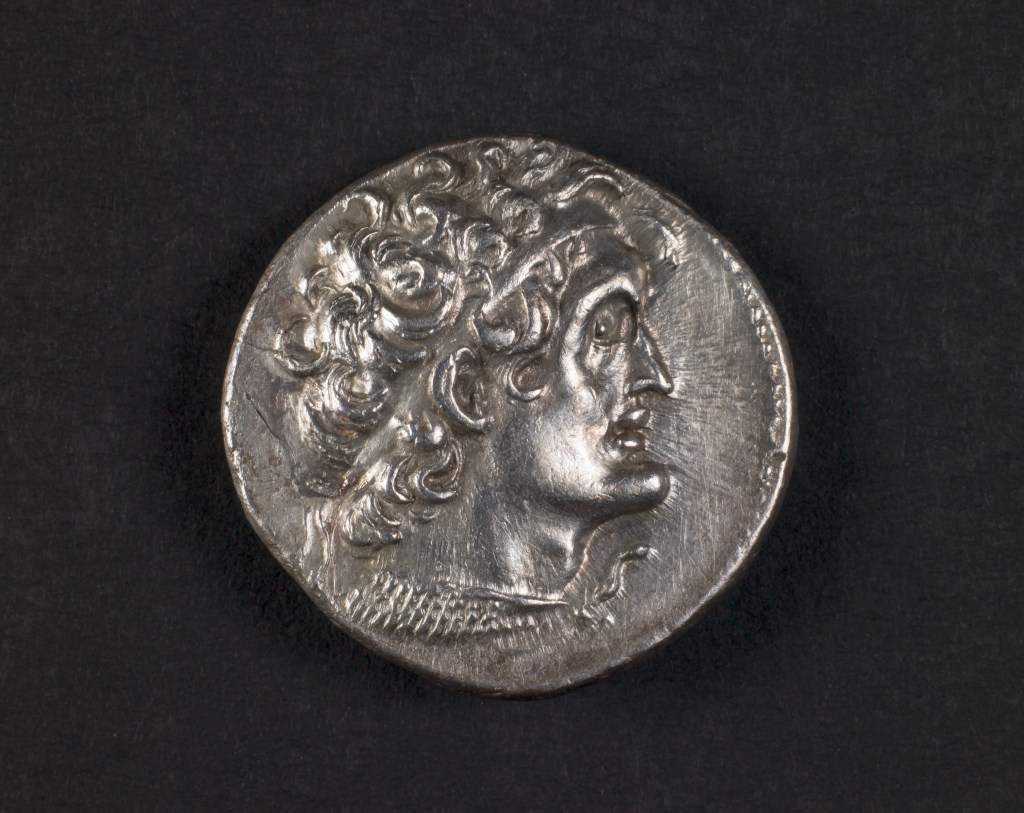
Tetradrachm with Head of Ptolemy I Egyptian (ancient); Greek (ancient), c.900–31 BC St. Louis Art Museum Item Number: 226:1991
Art is often assessed by the elements and principles in the art piece. The elements include: texture, form, space, shape, color, value, and line. The principles of art include: movement, unity, harmony, variety, balance, contrast, proportion, and pattern. The interaction between these elements and principles are how art pieces are composed and evaluated. Many art theories have been developed with a wide variety of opinions about what makes an artwork good.
These theories include: formalism, imitationalism/mimetic, instrumentalism, and emotionalism. Formalism states that “art is good when it effectively uses the elements of art and principles of design”. Imitationalism/mimetic states that art is best when it represents real life and realism. Instrumentalism is concerned with the composition of the artwork as well as the context and the message the artwork is trying to convey. Emotionalism is mainly focused with the expression and the communication between the artwork and the viewer. All this being said when the average viewer sees an artwork they make judgements based on their own set standards to evaluate whether an artwork is good or not. I personally determine whether an artwork is good based off of many different things like the artist’s purpose and the time period and culture that artwork came from. Art made in a small village in Mexico 600 years ago may have been good for that specific time period and culture, but for today’s standards of modern art maybe not so much. I think putting an artwork in context is what is most important when evaluating an artwork.
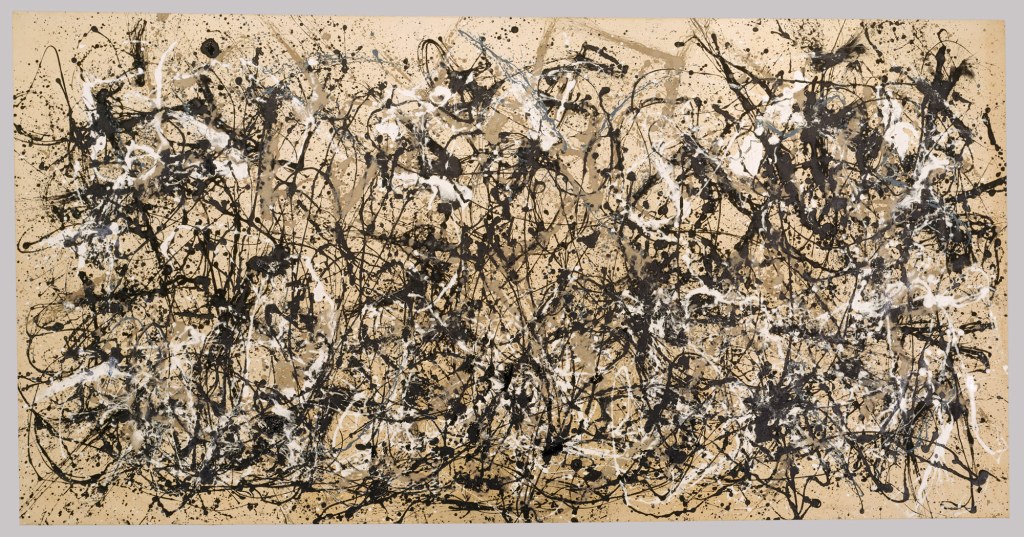
For this blog’s purpose and for your own I encourage you to think about these definitions and think more critically about your own judgement of art. We all have been guilty of making split judgments on artwork we see in our everyday lives whether that be a logo, a commercial, or a Jackson Pollock painting. I encourage you to think of context, the artists’ purpose, the emotion behind the piece, and what the artist is trying to convey to the viewer.
If you have any comments, questions, or suggestions about future blog posts let me know!
Autumn Rhythm (Number 30) Jackson Pollock 1950 The Metropolitan Museum of Art Item Number: 57:92
 Art & Arch