Now, you are probably questioning how archaeologists analyze artwork to make meaningful assumptions about the past. First, let’s talk about the many functions an artwork can hold and how we can interpret their meanings. There are many different functions of art and reasons behind an artwork. It is said that there are five purposes/functions of an artwork: ceremonial, artistic expression, narrative, functional, and persuasive.
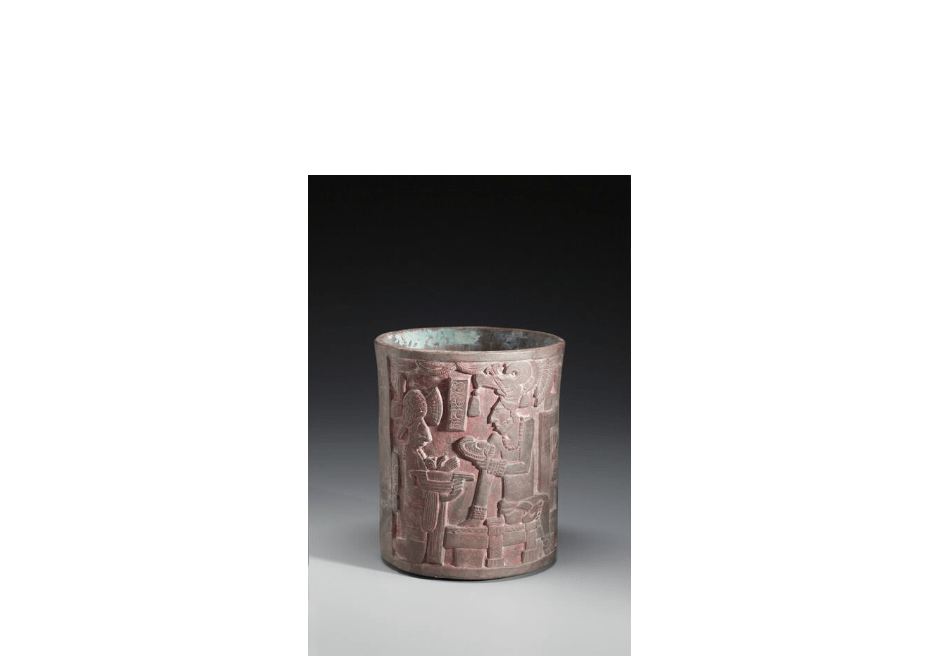
Ceremonial art is made for a person or group of people to celebrate/worship something related to their culture, society, or religion. Archaeologists can examine these artworks and learn a lot about the culture that uses them. For example, a scene depicted on a vessel in the Kimbell Art Museum displaces a ceremonial setting in a palace interior. The scene shows the lord wearing an elaborate bird headdress practicing the ritual of bloodletting. This Ancient American artwork dates back to the late classical period was carved out of ceramics. This artwork gives us a glimpse into daily life and ceremonial practices.
Artistic expression is the conscious use of the imagination in the production of an artwork. One may think it would be difficult to get useful meaning out of these artworks, but they can still be analyzed. Archaeologists have developed special software, chemical tests, and much more to determine what went in to making these artifacts, For example, an archaeologist can examine the pigments used to determine the trade between people during that time. Certain mediums and materials only found in one area can tell us which ancient civilizations had contact with another. These connections can help us establish timelines, use of goods, and value of certain materials.
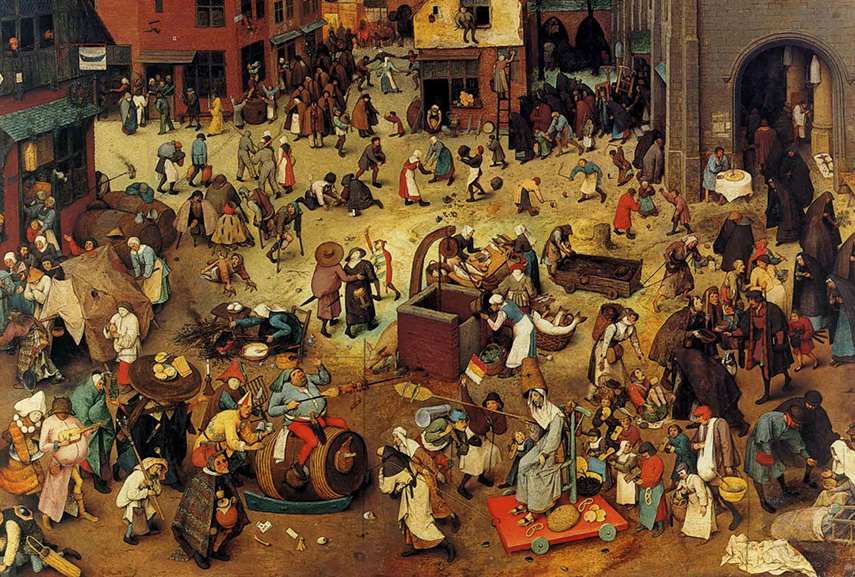
Narrative art is the artist telling a story through their artwork rather than reading words. Before language was written we actively engage in the past through these images. The historical narratives were often depicted after written language as well. Especially of historical battles, wars, or tribulations a society went through. It is said that aristocrats employed painters rather than writers to portray stories for them. People at the time were illiterate at much higher rates than now. Therefore, it was common practice to have an artist work for the king or ruler to help spread information to common people. This also benefited the ruling class by potentially hiding unfavorable aspects of the king. These images were easy to post and quickly spread information. Most can view a well illustrated image understand what the artist is trying to communicate. Not only do these narrative images depict battles and wars, but also everyday life. During the Reformist era telling the tale of ordinary everyday people became increasingly popular. This is a huge help in learning how life was lived during this time, and the practice is still popular today.
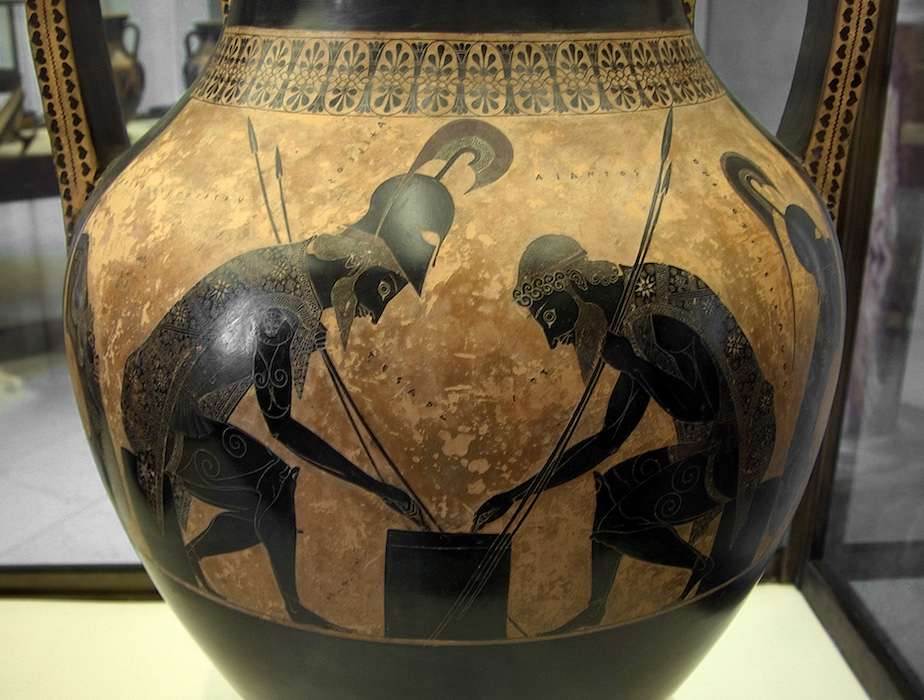
Functional art “seeks to beautify objects that are useful in everyday life”. This includes items such as: clothing, pottery, baskets, furniture, blankets, and much more. This function of artwork is incredibly inclusives and covers everything in an utilitarian lifestyle. This genre of art combines items you may not expect and them elements and principles of art. Archaeologists can analyze the designs and iconography of these objects. For example, Greek pottery has been shown to use certain color pallets to reflect a time period. In addition to having a timeline for certain pottery pieces they also depicted daily life events, heroic deeds, tales, and athletic competitions.
Art can also be used in a persuasive manner. Artists can use an image to their advantage to commute a message to their audience. Art can be used in propaganda to influence behaviors and attitudes. Archaeologists can see how advertisements or propaganda were used to try and persuade viewers. This can tell us a lot about the cultures/societies everyday life and important events. Archaeologists use these functions of art to analyze how a culture may have used these objects. The purpose of these artifacts can be used to decipher what daily life and everyday activities may have been.
If you have any questions, comments, or suggestions for future blog posts let me know!
Art as a Persuasive LanguageEdWeb. https://home.edweb.net/webinar/art-persuasive-language/, accessed October 7, 2019.
Greek Vase-Painting, an IntroductionKhan Academy. Khan Academy. https://www.khanacademy.org/humanities/ancient-art-civilizations/greek-art/greek-pottery/a/greek-vase-painting-an-introduction, accessed October 7, 2019.
Vessel with Ceremonial Scene: Kimbell Art MuseumVessel with Ceremonial Scene | Kimbell Art Museum. https://www.kimbellart.org/collection/apx-197404, accessed October 12, 2019.
What Is Narrative Art ? Widewalls. https://www.widewalls.ch/what-is-narrative-art/, accessed October 11, 2019.
 Art & Arch